A UK study commissioned by the 1001 Critical Days Foundation reveals that babies are being exposed to screens at increasingly younger ages, often because their parents themselves use television or phones extensively. According to researchers, one in ten babies falls asleep in front of a screen.
This exposure, even when used to soothe the child or when a screen is left on nearby, could lead to sleep disorders, vision problems, an increased risk of obesity, as well as delays in language development and social interaction. The researchers believe that no child under the age of two should be voluntarily and regularly exposed to screens and are calling on governments to review their recommendations.
Andrea Leadsom, founder of the 1001 Critical Days Foundation, also criticizes tech companies that offer content marketed as suitable for babies when scientific data indicates the opposite.
In the UK, screen time is officially discouraged before the age of two, with a few exceptions such as video calls. The study's authors are calling for clearer guidelines.
In France, authorities recommend no screen time before the age of three, notably through the "3-6-9-12" method developed by psychiatrist Serge Tisseron. A commission of experts appointed by the Élysée Palace in 2024 also recommended banning screens before the age of three, due to their effects on language, attention, sleep, and social interaction.
 Sophie de Duiéry Sophie de Duiéry
|
 02/07/2026 |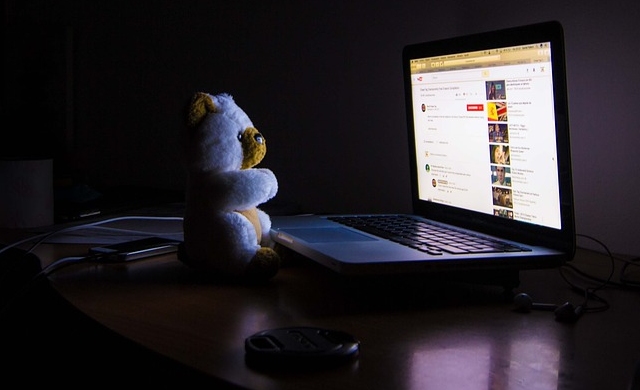










































 Anglais
 Arabic
 Deutsch
 Français
 Español
 Italien
 Português
 Russian